
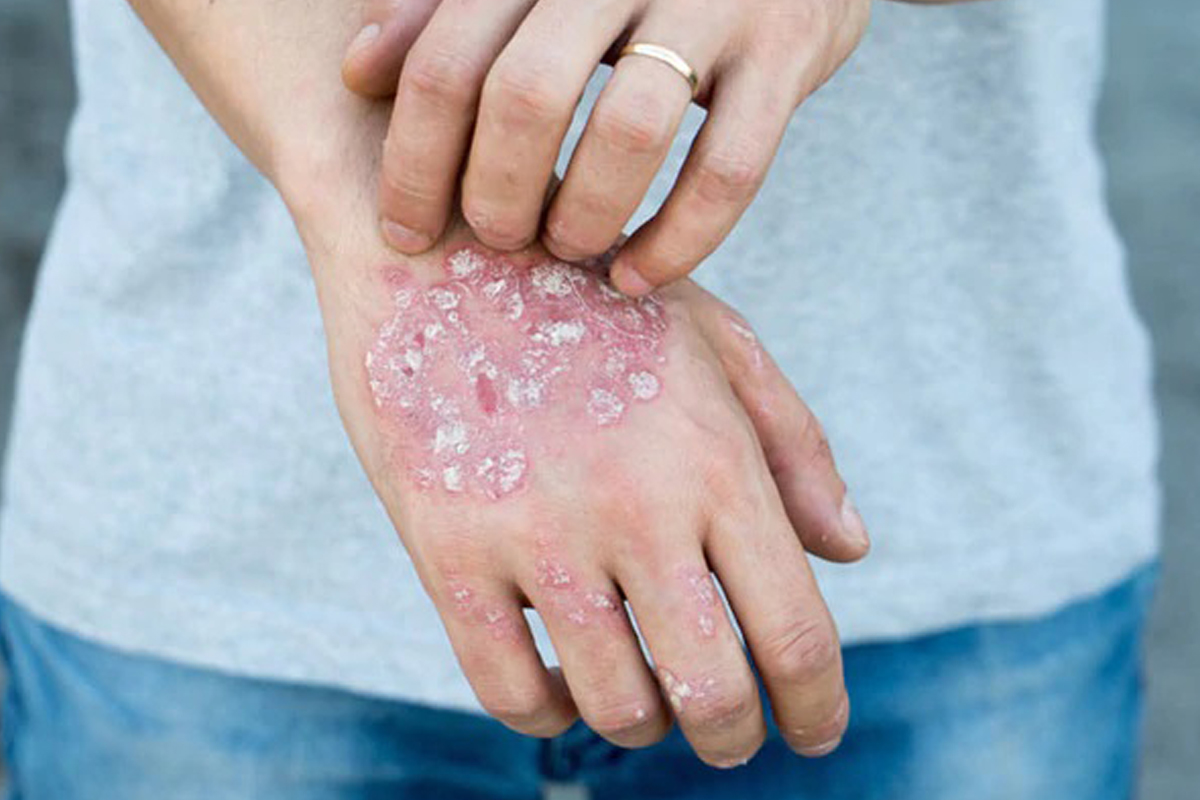
Skin Disorders
To detect skin cancer, it is advisable to do a self-examination and apply the ABCDE rule that will allow us to see warning signs :
- Asymmetry: when half of the mole is not the same as the other half
- Border: when the contour of the mole has uneven, blurred or jagged edges.
- Colour: when the colour is not uniform but can have different shades. The most dangerous are red, white and blue on black lesions.
- Diameter: when it is 6mm in size.
- Evolution: The mole changes in size or shape.
In addition to applying the ABCDE rule, other warning signs can indicate that there is a suspicious injury, when we observe a sore that does not heal, when there is inflammation beyond the edge of the mole, when it is itchy or painful, and when there are changes on the mole’s surface, such as scaling or bleeding.
surgical treatment
Surgical removal. Treatment of skin cancer usually begins with surgical removal. This treatment should eradicate the tumour from the skin without any remains. His intervention can be more straightforward depending on the type, size, and location of the tumour. The reduction, many times, can be performed without the need for hospital admission, although, on other occasions, more complex surgeries are needed with general anaesthesia. T
non-surgical treatment
Radiotherapy. It delivers high-energy x-rays to kill cancer cells. It is produced by an external source and travels to the tumour or lymph nodes.
Cryotherapy. It is a method based on the use of cold or low temperatures to freeze and eliminate small and superficial tumours.
Topical preparations. In some cases, treatments with topical preparations (imiquimod) can be administered.
Photodynamic therapy. It is a technique used in some superficial skin tumours that selectively burns malignant cells.
Immunotherapy, target therapies and chemotherapy. To treat more advanced tumours with distant metastases or in the case of some lymphomas. Immunotherapy uses new drugs that can activate defences against cancer, such as vaccine therapies or immune checkpoint inhibitors. It is used in those patients with more advanced tumours when they cannot be treated surgically. Therapeutic targets destroy the tumour cell and block it at the genetic level. And chemotherapy can be especially effective in some types of tumours.
In some patients, after surgical treatment, it is necessary to recover to heal wounds, reduce pain, or treat swelling in the area.
In the case of being treated with immunotherapy, chemotherapy or radiotherapy, it may be necessary to treat the side effects and monitor them during treatment and carry out different types of tests.