
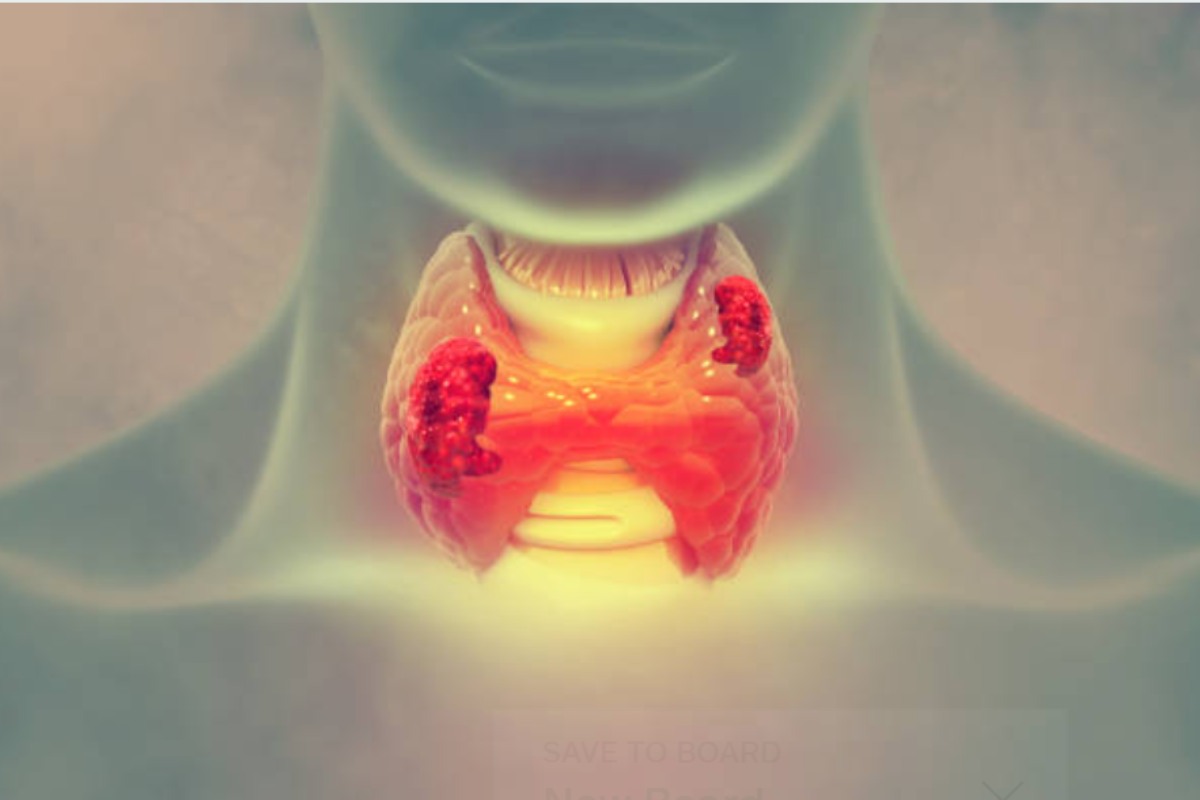
Thyroid Diseases
To first understand what thyroid diseases are, it is convenient to explain what the Thyroid is and its function.
The thyroid or thyroid gland is a butterfly-shaped endocrine gland located in the front and lower part of the neck, above the sternum, anterior to the trachea and the oesophagus. It comprises two lobes, right and left, joined by a central part called the isthmus. Under normal conditions it weighs between 15-20 grams and can increase to hundreds of grams in the context of goiter.
The right lobe is usually more extensive and vascularized, with more veins and arteries. The gland comprises microscopic spherical units, called follicles, made up of a line of follicular cells responsible for producing thyroid hormones. Likewise, the Thyroid also contains the parafollicular cells or C cells accountable for producing calcitonin.
What is the function of the Thyroid?
Thyroid hormones help the body use energy and thus maintain the so-called “basal metabolism” stable, allowing the body temperature necessary for the brain, heart, muscles, and other organs to function in the required optimal conditions.
The function of the thyroid gland is to produce thyroid hormones that are secreted into the blood and reach all tissues of the body. Thyroid hormones are thyroxine (L-thyroxine or T4) and triiodothyronine (T3). The primary thyroid hormone in the blood is T4, while T3 is formed only in some tissues (brain, liver) by conversion of T4.
The formation of an average amount of thyroid hormones requires an adequate intake of iodine, at least 100-150 micrograms, of which the diet is the primary source.
The Thyroid works in conjunction with two other hormone-producing glands, the pituitary and the hypothalamus. This action aims to produce the right amount of energy that the body needs (low during sleep, high during wakefulness, even higher during physical activity).